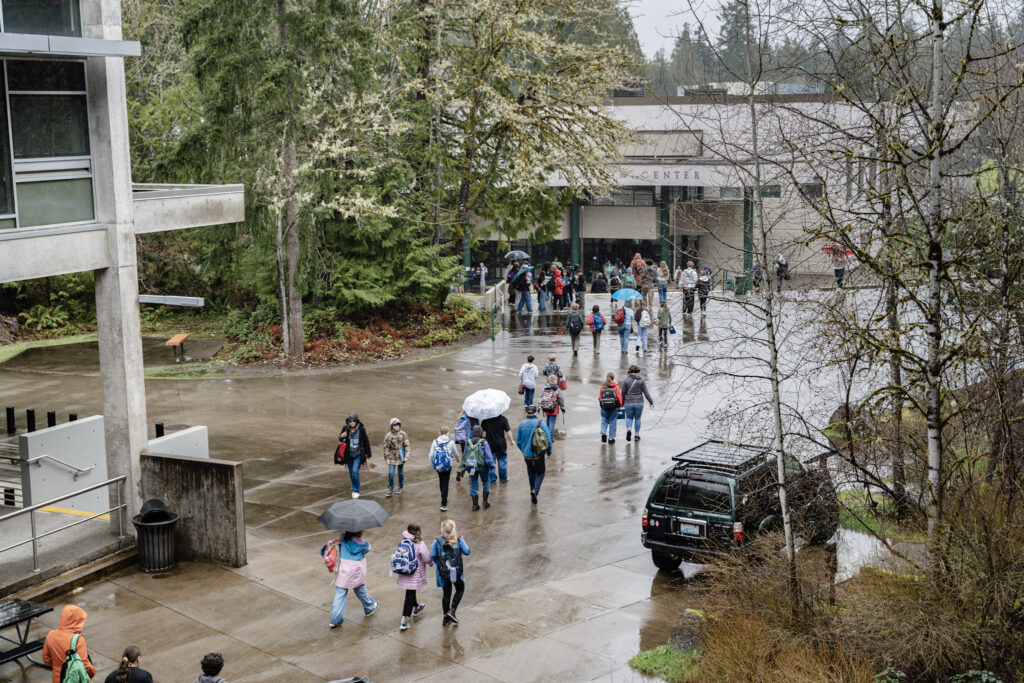
There are many indicators of Spring in the Pacific Northwest from the flowering of Oso and Salmon Berry to the return of sunshine and songbirds with their accompanying rainbows and melodies. However, for our local environmental educators there is perhaps no greater indicator that the season has begun than the sound of hundreds of elementary and middle school students arriving at The Evergreen State College for the Annual Student GREEN Congress!
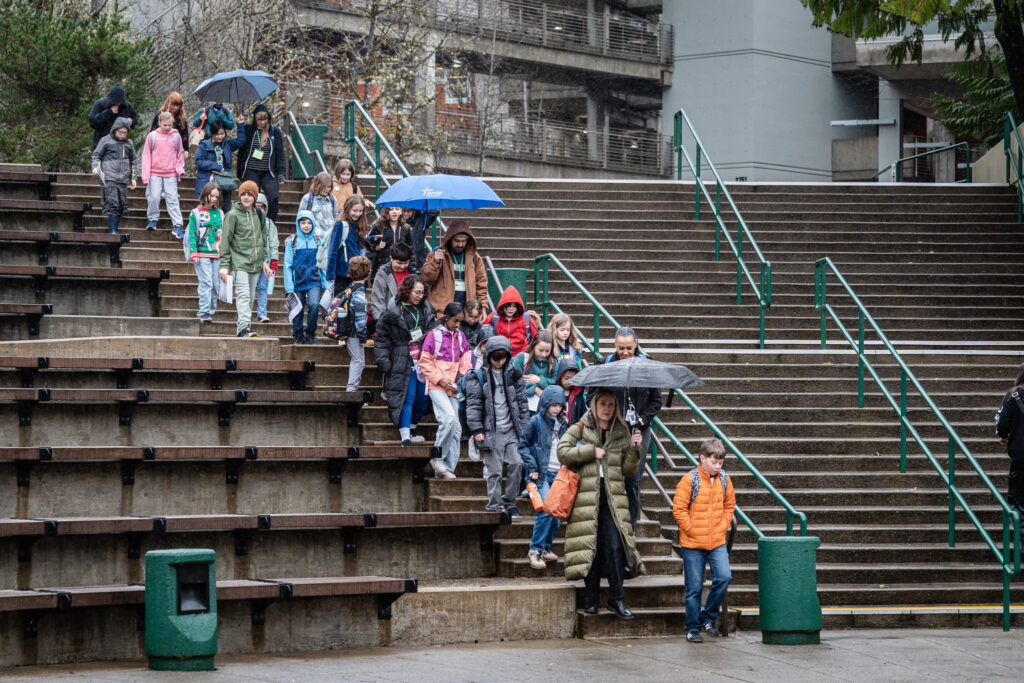
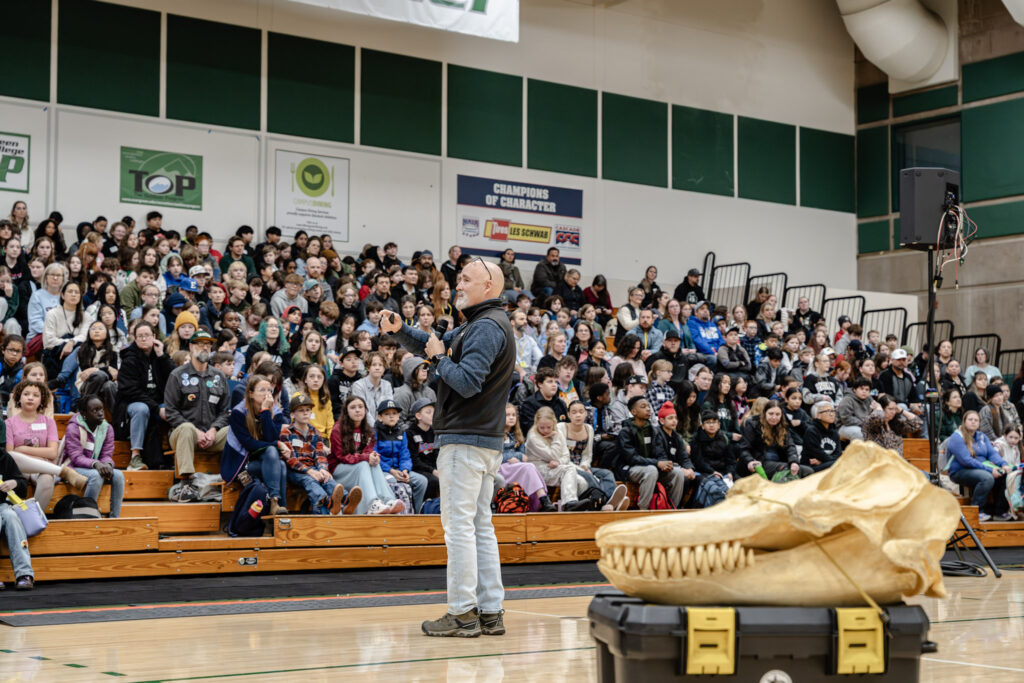
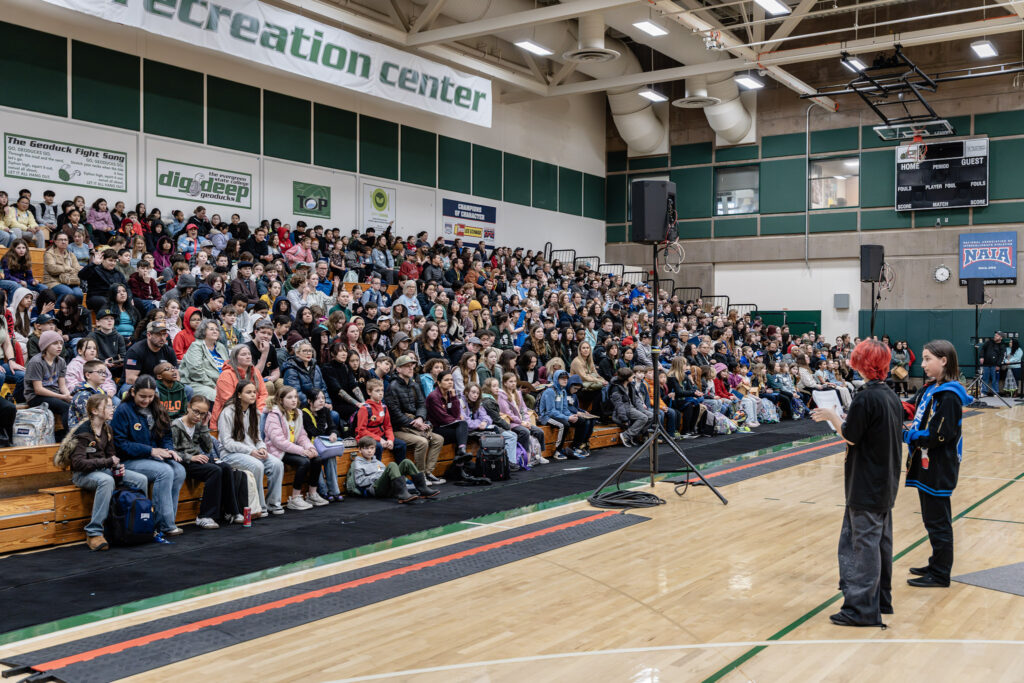
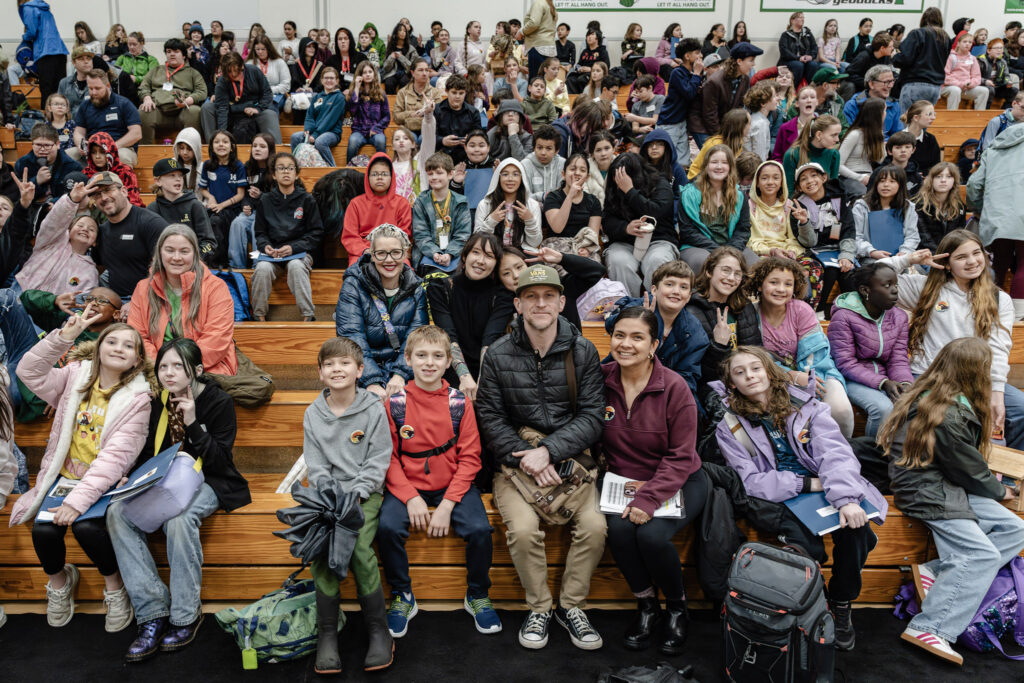
This year marked the 33rd anniversary of this youth water quality summit and while the rain might have been coming down, nothing could dampen the spirits of the 465 student delegates who had journeyed from the Nisqually, Chehalis, and Deschutes watersheds for a day of science, partnership, and collaborative environmental education! As students, teachers, and chaperones from across 31 different schools filled the bleachers in Evergreen’s gymnasium, the gigantic skull of an Orca greeted each in turn as the keynote speaker, Jeff Hogan from Killer Whale Tales, took the floor to start off the event. While Hogan shared the story of our southern resident killer whales, he cast a spell over the room punctuated occasionally with bursts of laughter as he caught the students off guard with hidden jokes – at one point, Hogan recounted how although he nobly set out to raise awareness of the orcas’ plight, he now finds himself quite often on boats collecting their poop – all in the name of dietary science research of course!
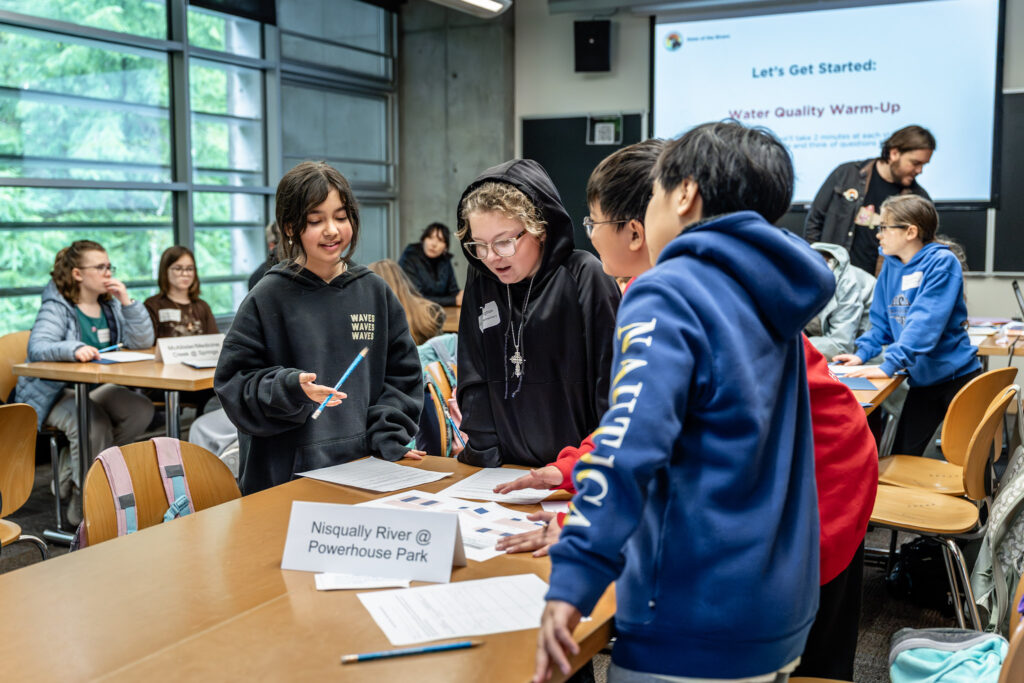
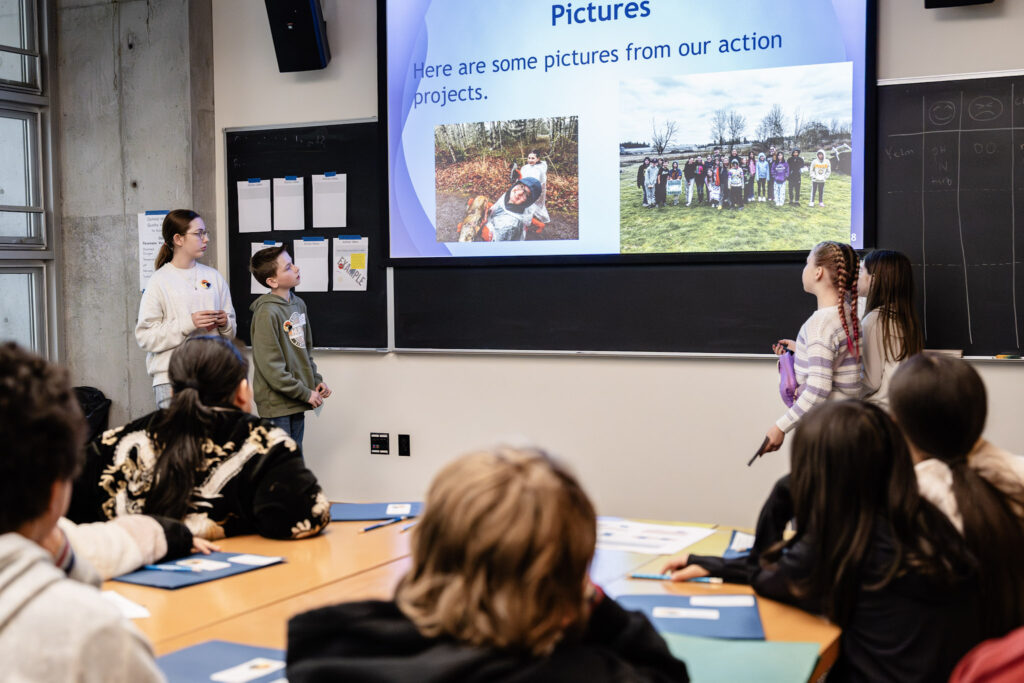
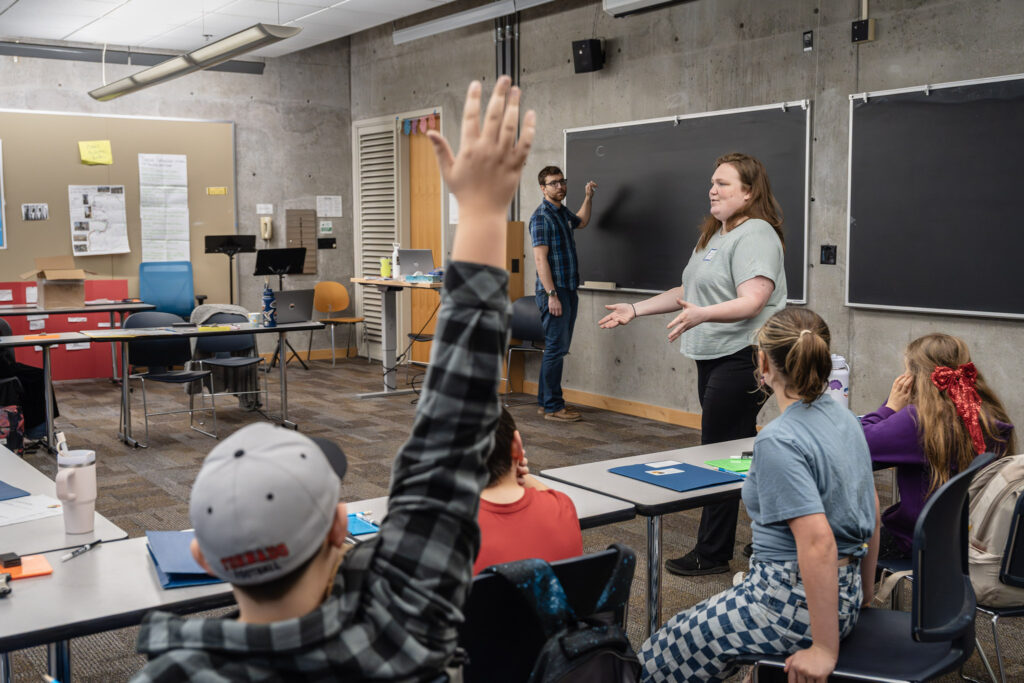
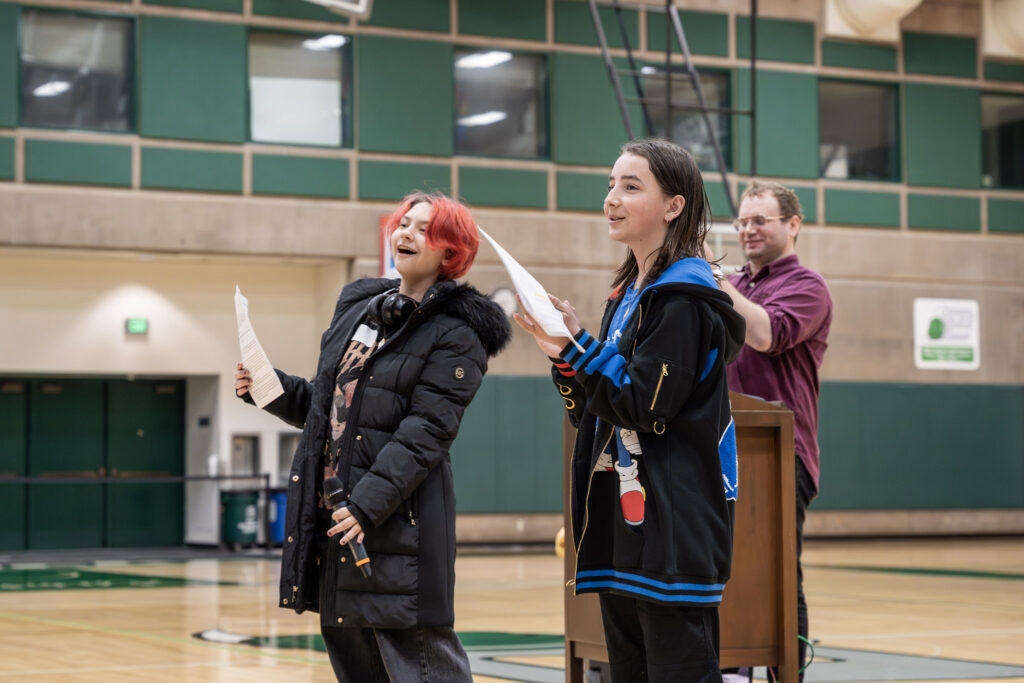
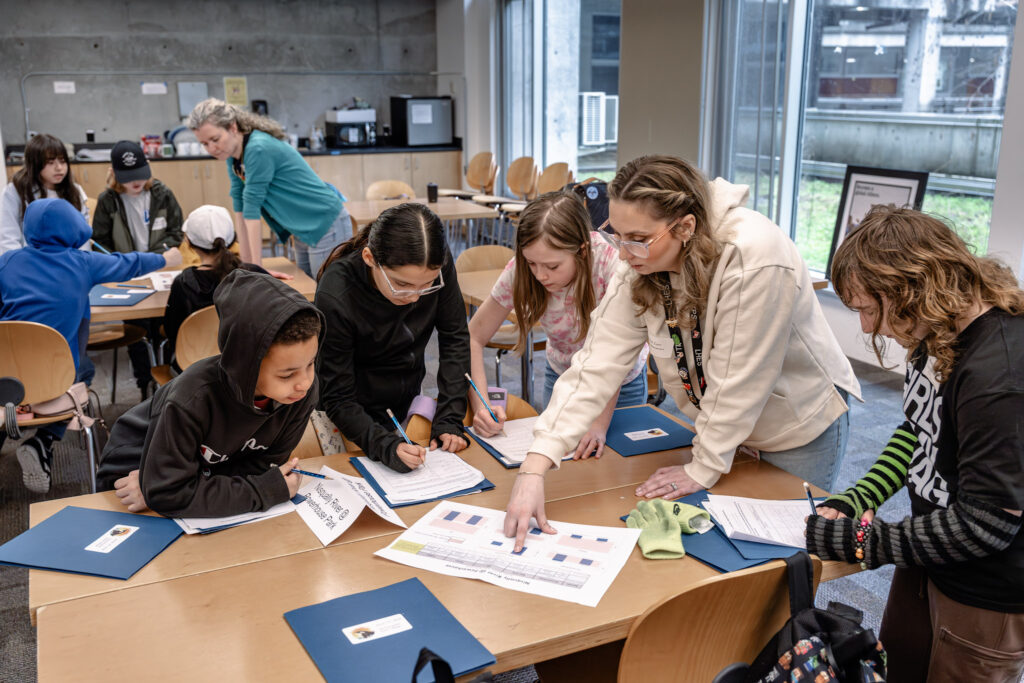
As student emcees energized the crowd and staff guided the delegates to their State of the Rivers sessions, the sharing of carefully prepared student presentations could finally begin. In classrooms all across the campus, facilitators helped students explore their peers’ water quality data as they formed questions and thought critically about the meaning of different testing results. Students from different schools, testing in different spots throughout the same watershed, presented their results to each other in what for many was their first public speaking symposium experience. These delegates discussed their different findings across pH, turbidity, dissolved oxygen, temperature, nitrates, macroinvertebrate presence, and more over multiple site visits to their local waterways. While facilitators worked to keep these sessions moving and on time, it truly was the students themselves who led and took charge of their data, working together to create their top action proposals. Here is what the 33rd Congress voted collectively as their top priorities:
- Pick Up Trash
- Plant More Trees & Shrubs
- Remove Pet Waste
- Remove Invasives
- Create Rain Gardens
- Reduce Pollution
These State of the River sessions act as a way for students to not only take ownership of their data and streams, but they also help boost their confidence while engaging their peers in discussions as young natural resource professionals. It also means that afterwards many students are ready to relax and lunch time allows a chance to chat with new friends while exploring a college campus for the first time. When asked what they thought about the Congress experience at lunch, here are some student responses we received:
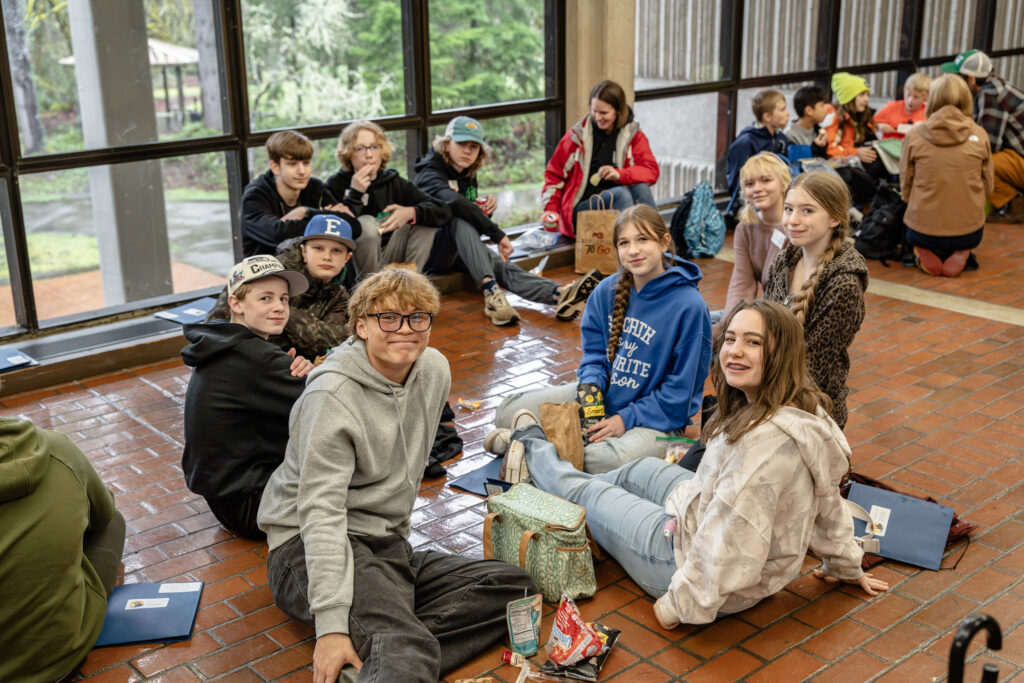
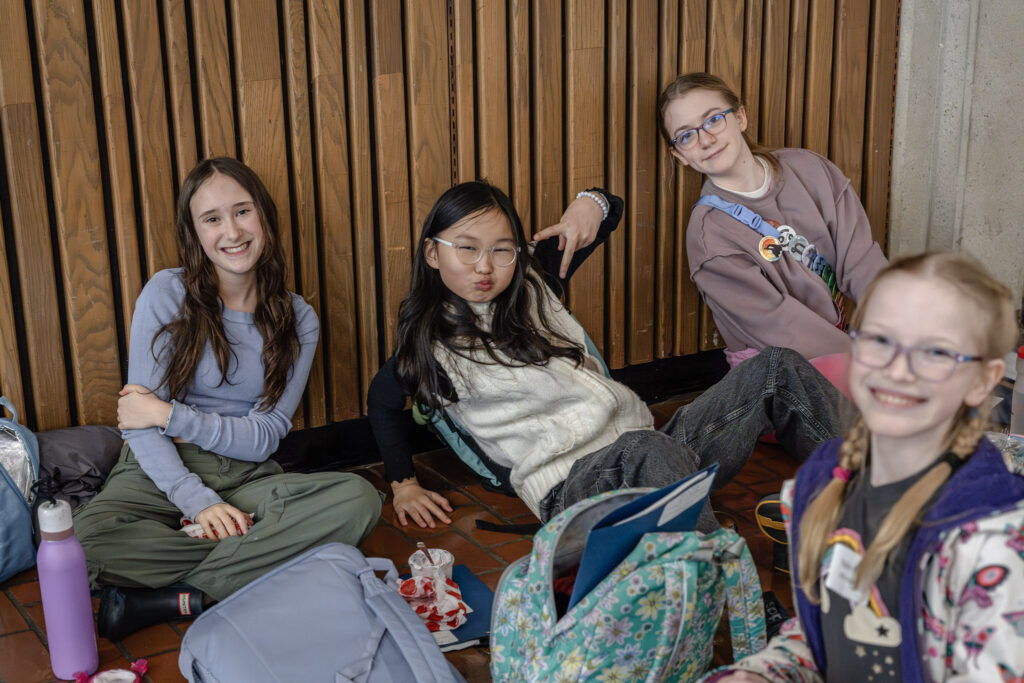
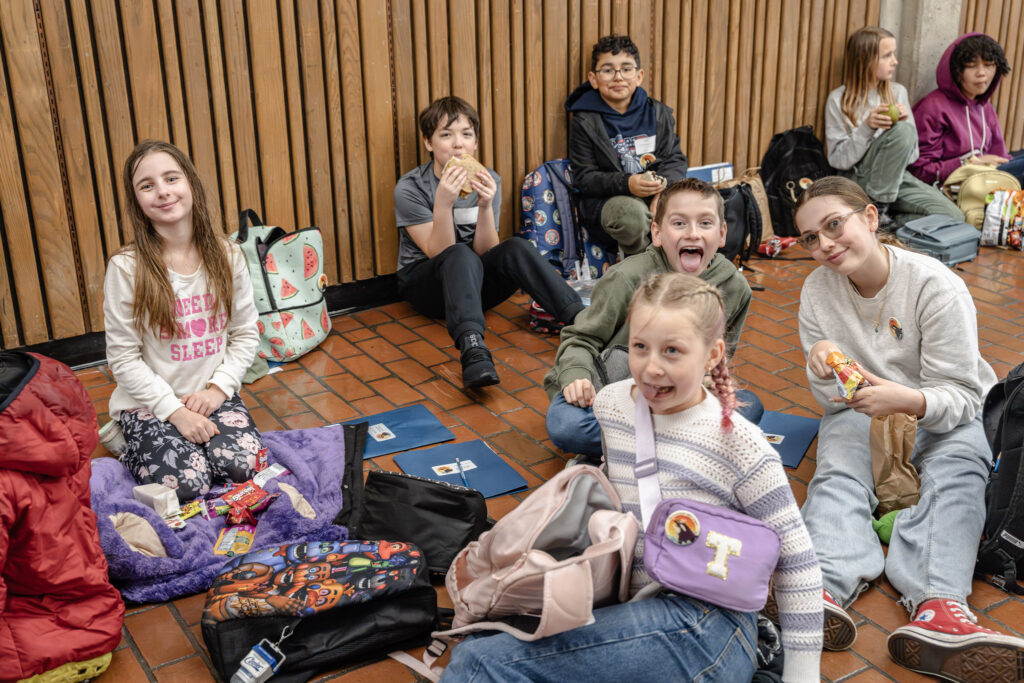
“My favorite thing about Student GREEN Congress is getting to connect with such a large group of people who all love science!”
“You have a chance to be independent, explore, and it’s really a nice experience to learn more and have fun!”
“When I pictured the presentation that we were going to do I pictured this giant stadium, with a giant stage, with big fancy chairs, and everyone was staring at you, but when I realized we were doing it in small classrooms it helped my confidence build up a lot more.”
“This is my second year at GREEN Congress and I am loving it more than I loved it last time! I really like the workshop with the salmon dissection because it’s so cool to see the insides of a salmon.”
“What I like about Student GREEN Congress is getting to share the moment with everybody who came to congress, and I love presenting to different people from different schools.”
“I really enjoy the experience of doing GREEN Congress. I really liked learning about other people’s watersheds and I liked presenting and talking about my watershed and talking about ways that we can help the watershed.”
“I really love learning about our watersheds and all the information other people have gathered and I am really excited about the workshops coming up!”
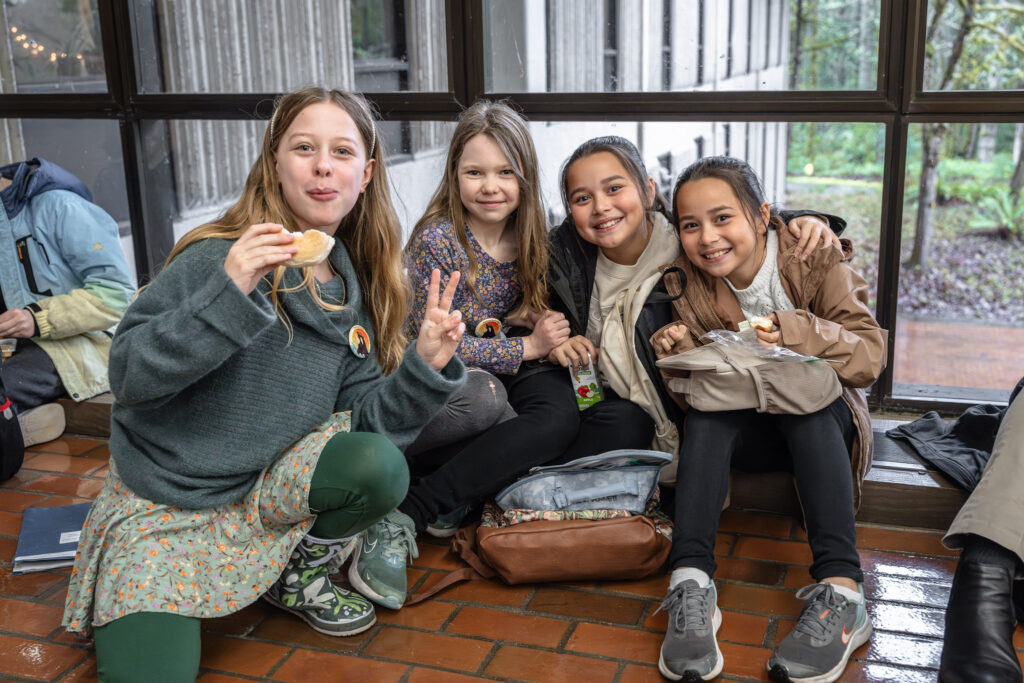
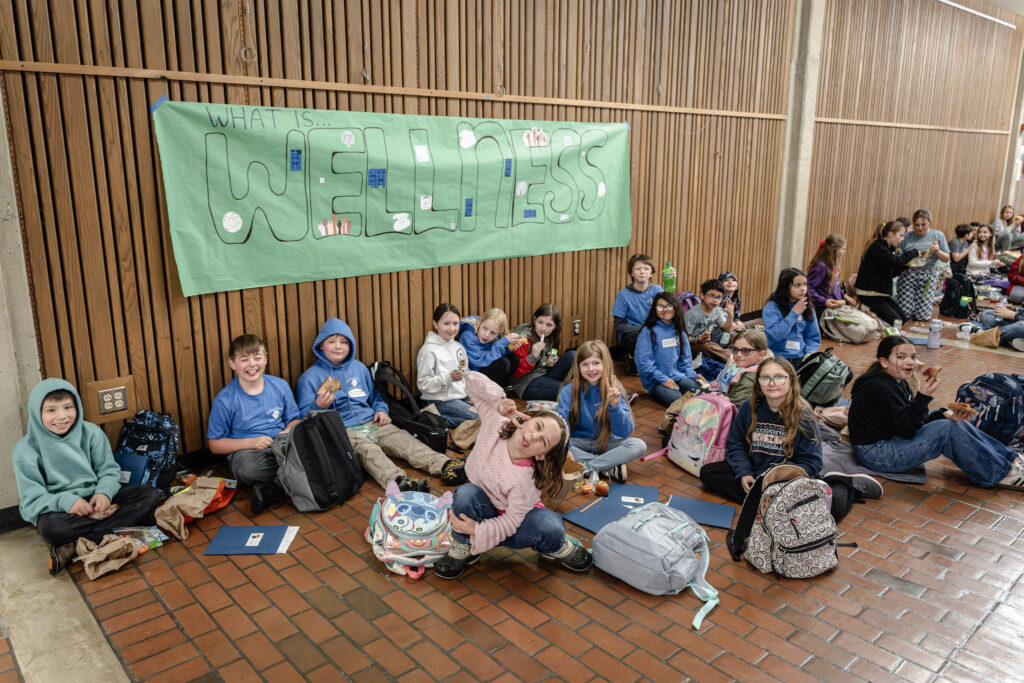
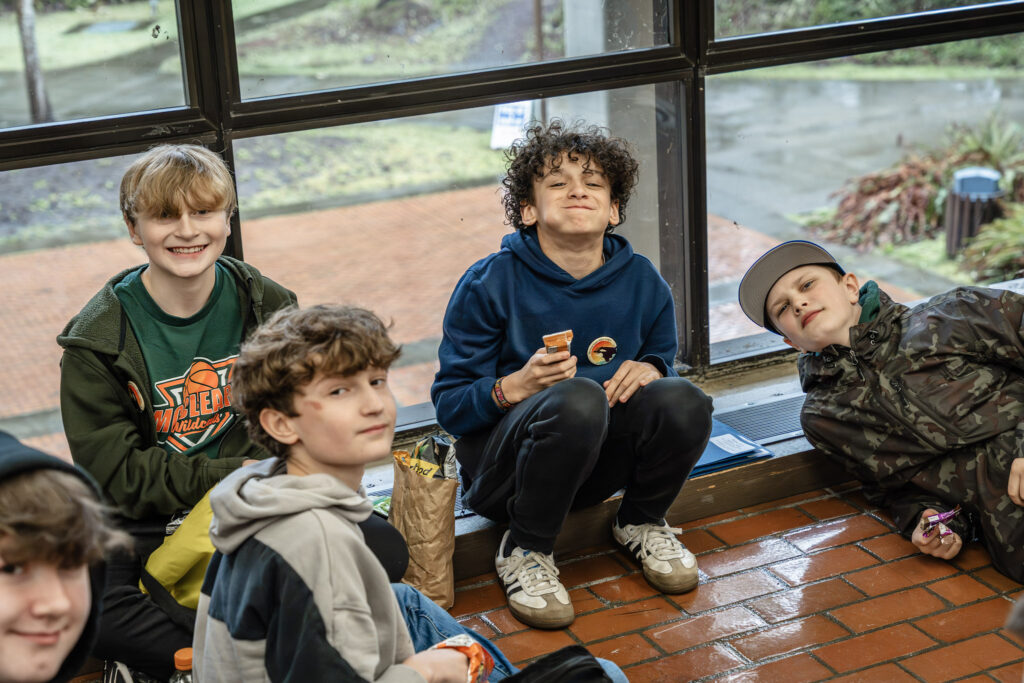
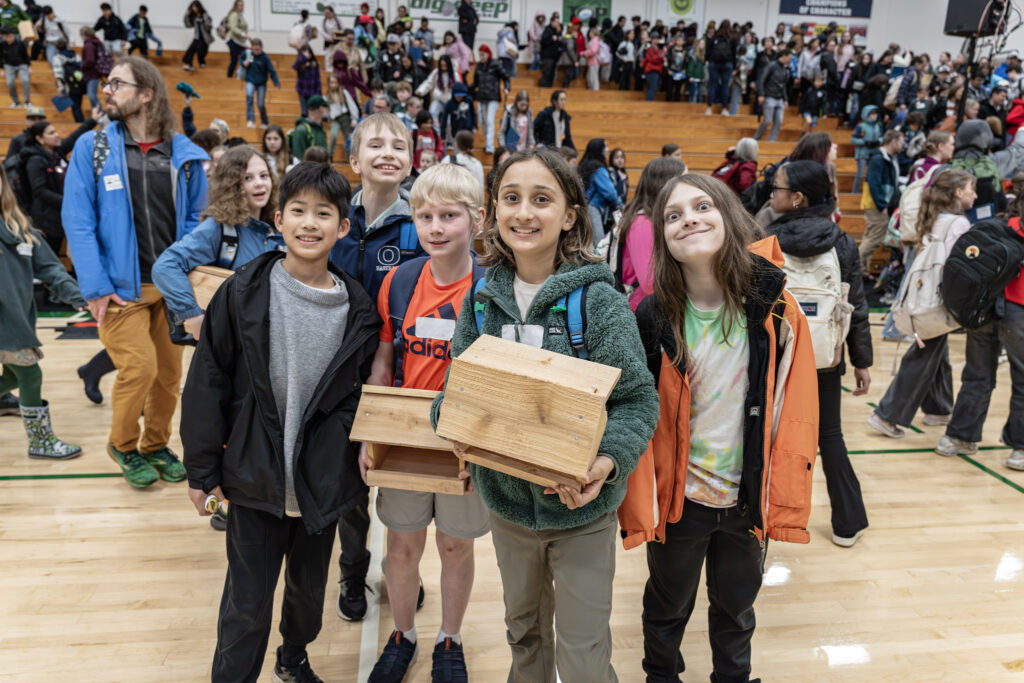
As lunch wrapped, students eagerly made their way to their afternoon sessions where natural resource professionals from over 30 different organizations were ready to lead hands-on environmental workshops. These workshops expand the youth science summit beyond water quality to encompass the many different aspects of our natural environment and engage students with their unique interests. Delegates explored the anatomy of sharks, salmon, and shellfish with three different lab dissections; they engaged with birding through identifying bird calls, building their very own bird houses, and dissecting owl pellets; they even explored the unseen world through magnifying glasses and microscopes to look at worms, zooplankton, and phytoplankton!
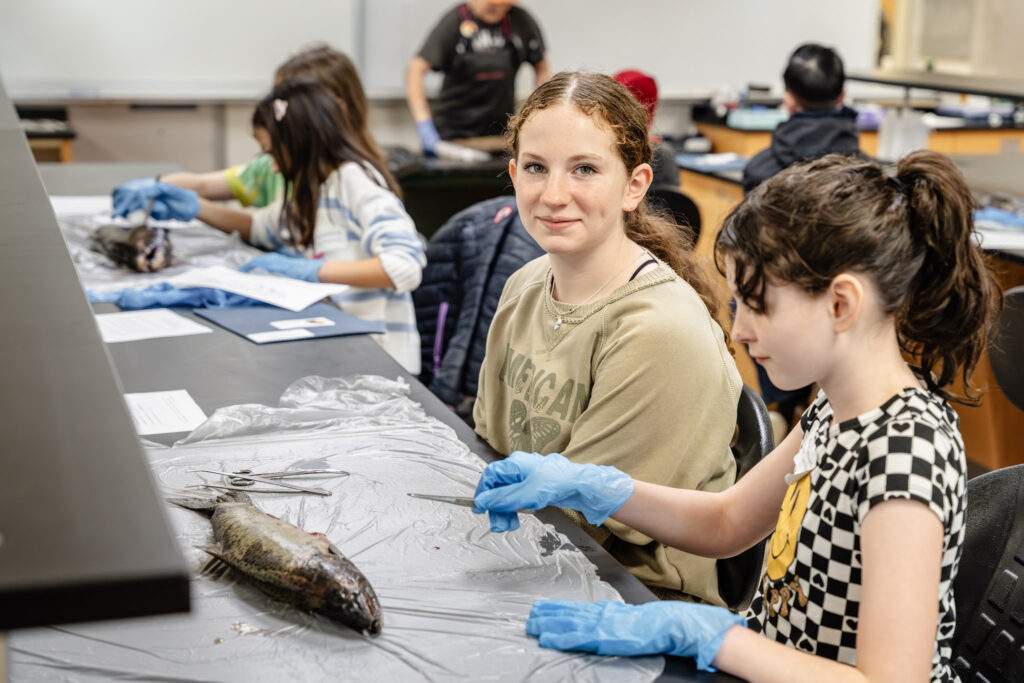
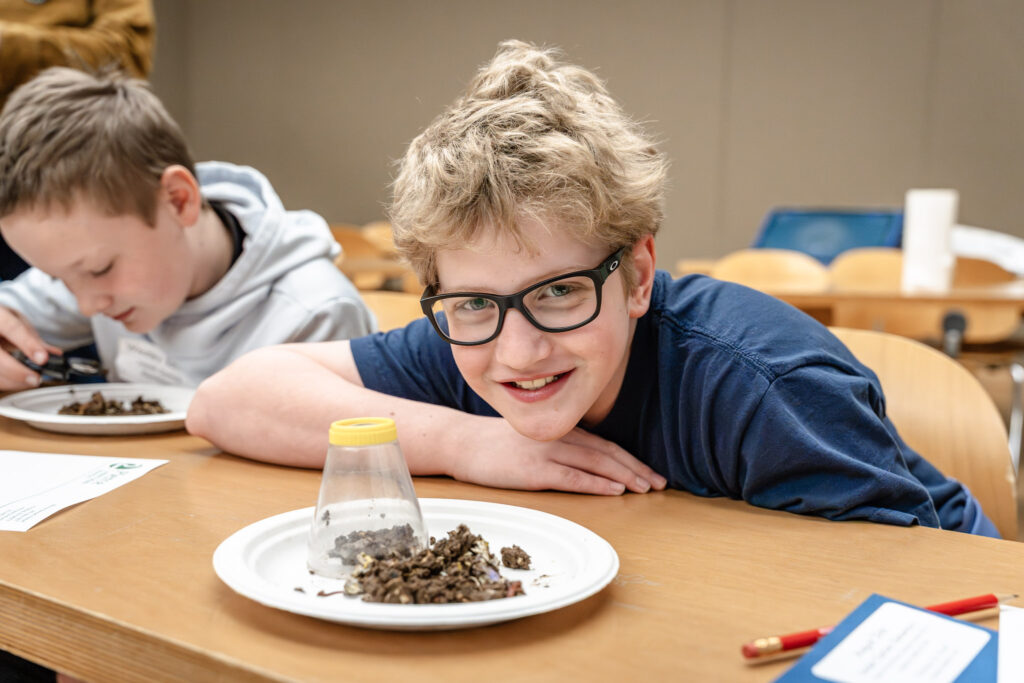
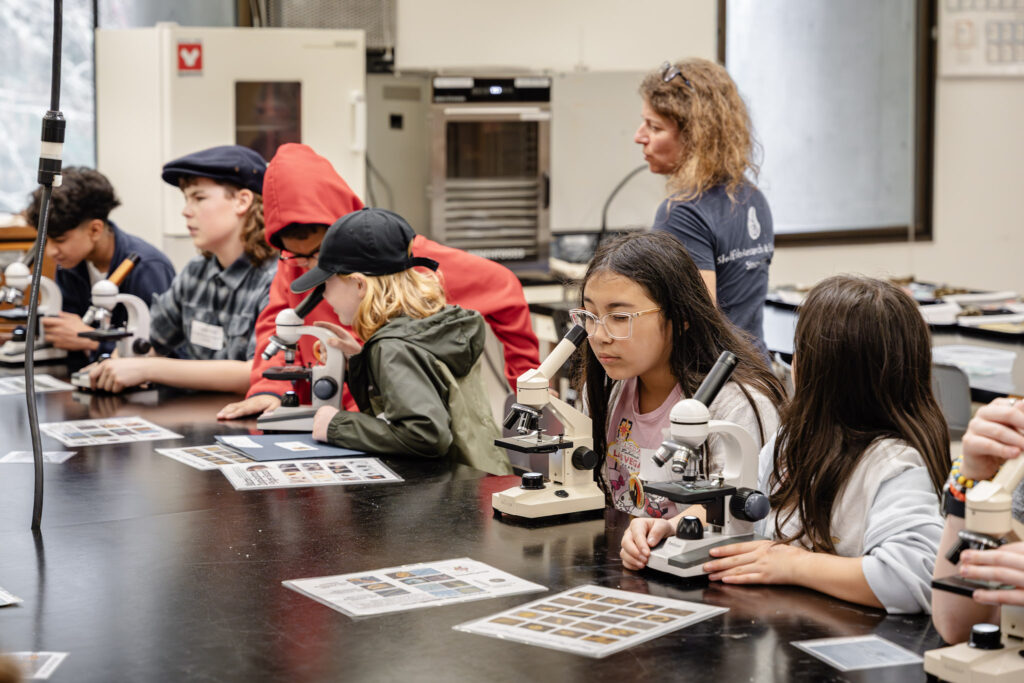
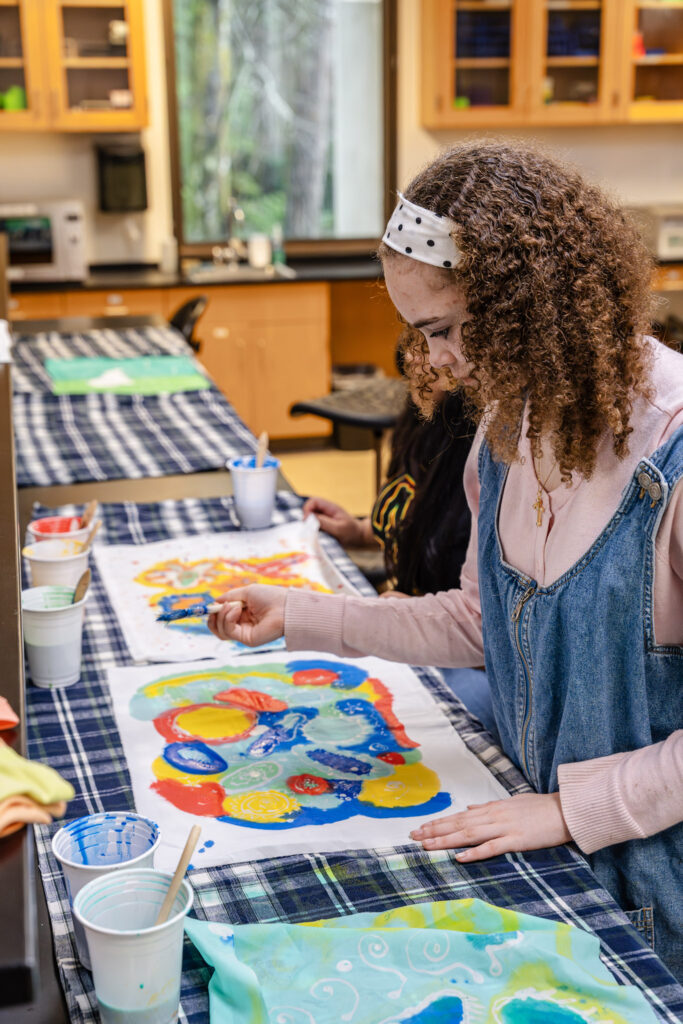
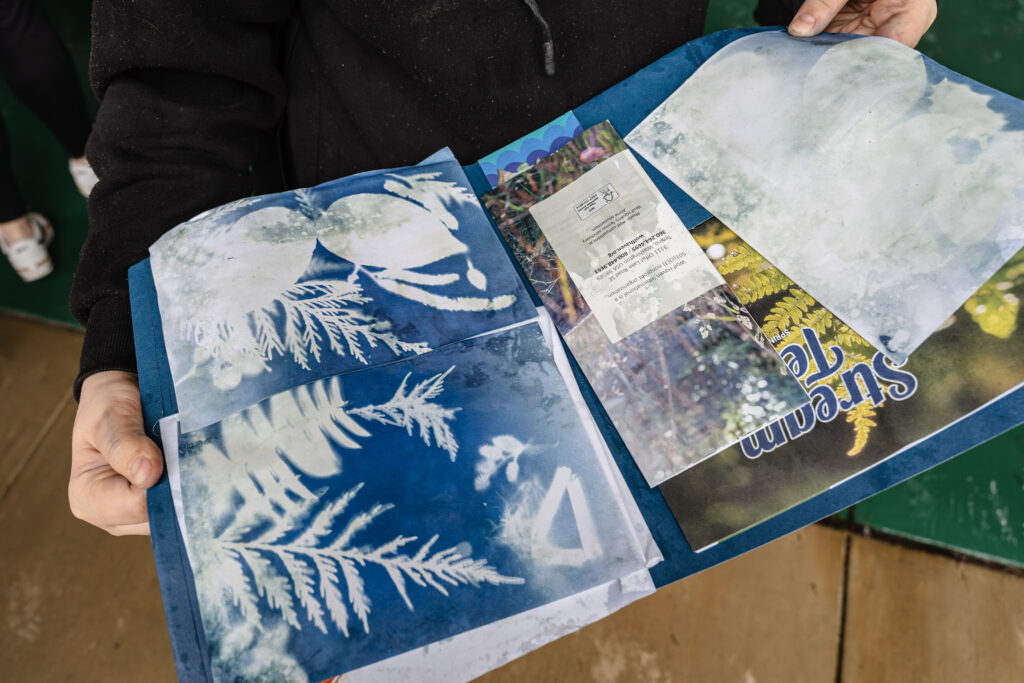
That’s just the tip of the iceberg so to speak, as even more workshops blended the arts and sciences with phytoplankton batik, crafting seed paper for pollinators, journaling the forest, nature in watercolors, cyanotype photography, and so much more! It’s not just about who has the most fun (although workshop presenters do seem to take the opportunity for a little friendly competition), it’s really about engaging with the sciences, introducing students to potential career paths, and instilling a love for the natural world. Formative moments in nature help teach youth how interconnected we are with our local environments and by connecting students with the wonders of the outdoors through science, arts, and technology, we’re hoping to foster the next generation of stewards here and around the world.
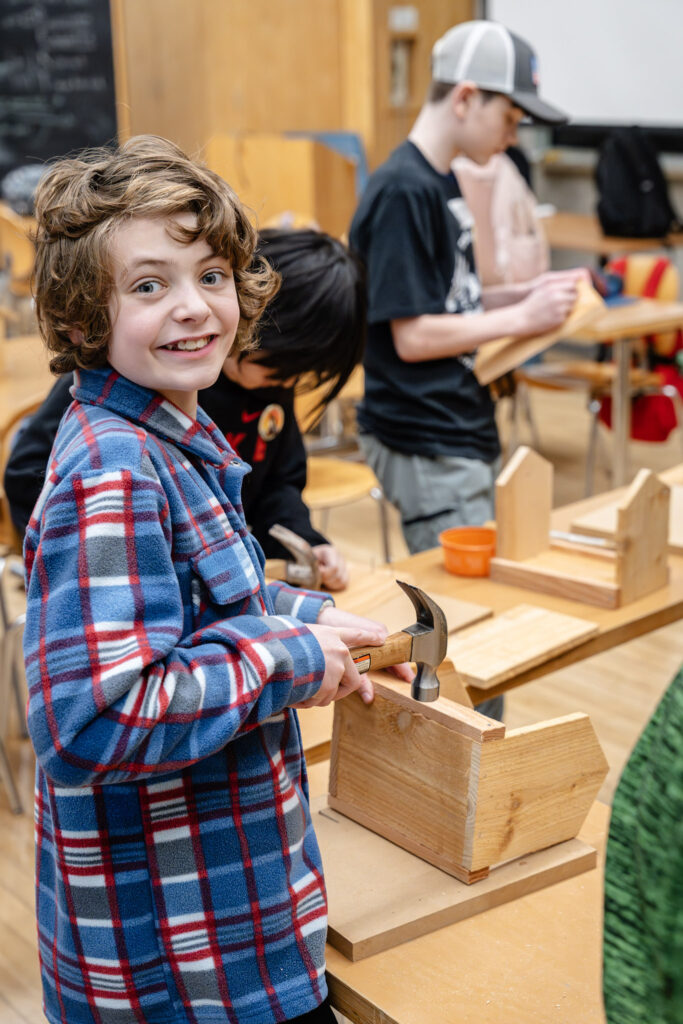
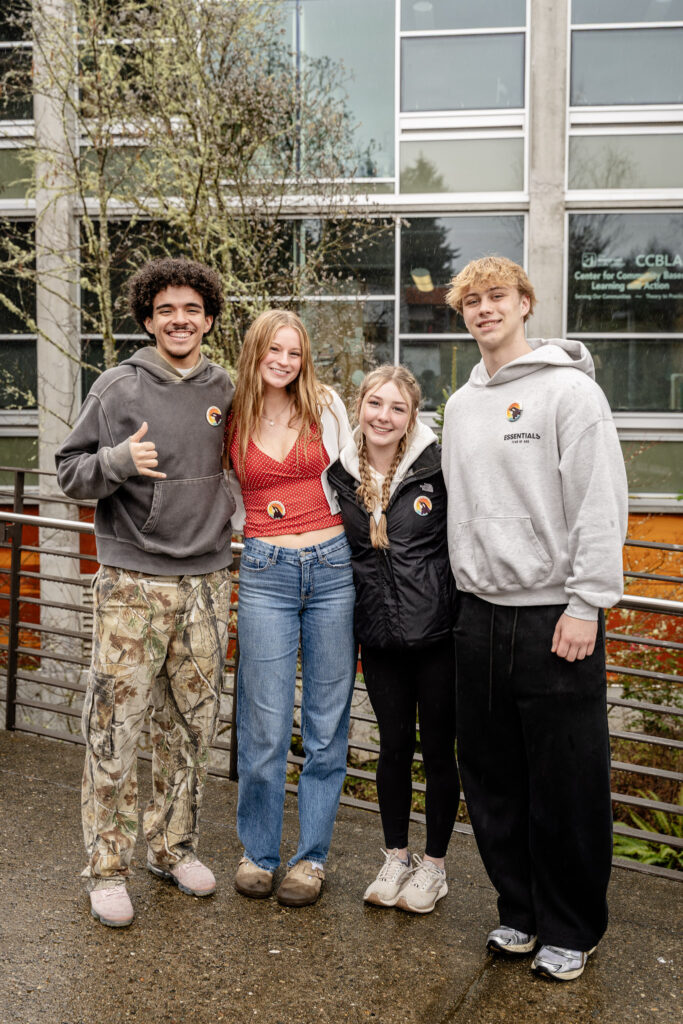
As the day draws to a close, students return to the gymnasium for a closing ceremony where a slideshow encapsulating the events of the day plays before the reveal of the top action projects. It is here where classmates come back together with birdhouses, seedpapers, stories of salmon guts, and new orca facts to share with their classmates in a hum of excitement. Where nervous smiles might have filled the gym in the morning before presentations, jubilant shouts and laughter fill the space in the afternoon. Student emcees once again ask the crowd to make some noise and before all is said and done, all 465 students recite the watershed pledge:
“I hereby resolve, to do things great or small, to improve the earth, its many ecosystems, its water, land and living things and all its human hearts. I promise I shall care, to love and cherish all its gifts with people everywhere.”
Students, teachers, and chaperones give one last round of applause filled with hoots, hollers, and plenty of stomping before saying goodbye to new friends and making their way to waiting buses. So ends a day of environmental learning like no other as the 33rd Annual Student GREEN Congress draws to a close.
Nisqually River Education Project, South Sound GREEN, and the Chehalis Basin Education Consortium are three sister environmental education programs which co-organize Student GREEN Congress. This event is made possible through the generous support of our faculty sponsor at The Evergreen State College, Carri LeRoy. Additional volunteer and financial support is provided by our many community partners. To learn more about how you can be involved in Student GREEN Congress, please contact Davy Clark, Nisqually River Education Project Program Director, davy@nisquallyriver.org
Funding for this event is made possible by: National Fish and Wildlife Foundation, Foundry 10, City of Lacey, City of Tumwater, City of Olympia, City of Yelm, Thurston Conservation District, Trout Unlimited, National Oceanic and Atmospheric Administration, Thurston County Stormwater, Nisqually Indian Tribe, & Sierra Club.
Thank you to our community partners who help facilitate and bring wonderfully unique environmental workshops to life each and every year, these partners include: The Evergreen State College, Nisqually Community Forest, Pierce Conservation District, Long Live The Kings, Nisqually Land Trust, Washington Department of Ecology, City of Yelm, Thurston County Public Works, Pierce County Public Works, North Thurston Public Schools, Nisqually Indian Tribe, Department of Natural Resources, Trout Unlimited, Thurston Conservation District, City of Lacey, City of Olympia, South Puget Sound Salmon Enhancement Group, Thurston Regional Planning Council, City of Tumwater, Thurston County, Chehalis Lead Entity, Billy Frank Jr. Nisqually National Wildlife Refuge, Wolf Haven International, South Sound Bird Alliance, Firecraft Northwest, EcoWoodWorks, Guild of Natural Science Illustrators – Northwest Chapter, Killer Whale Tales, Nisqually Community Garden, Puget Sound Estuarium, Northwest Trek Wildlife Park, Pacific Shellfish Institute, Deschutes Estuary Restoration Team, Nisqually Reach Nature Center, Washington State Department of Natural Resources.